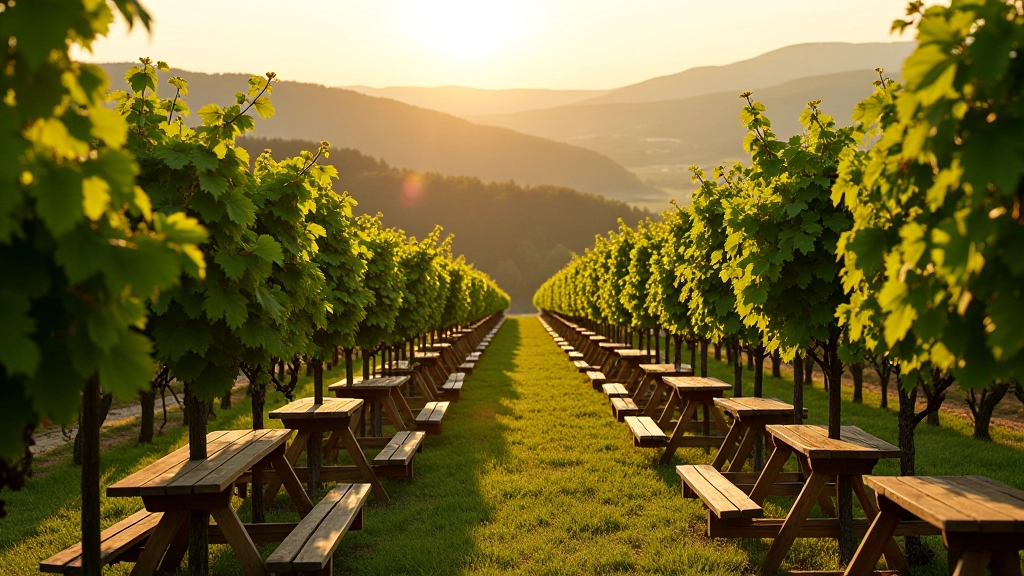

Scenic Meadows Worth Visiting Across Czech Regions
Discover which meadow locations offer the best views and clearest access. Covers elevation, accessibility, and what to expect at different times of year.
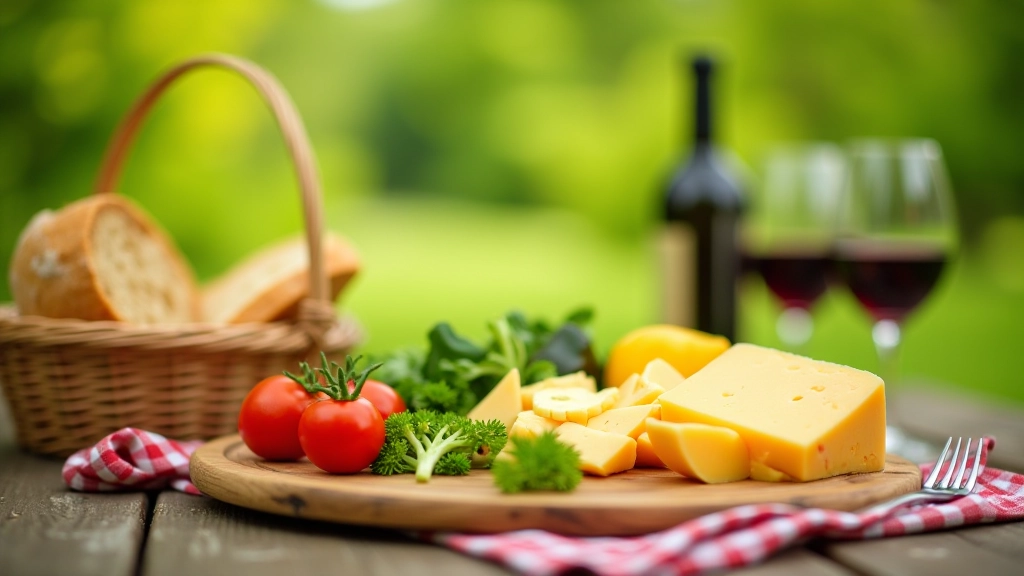
What actually works to eat outside at different times of year. Spring greens, summer fruits, autumn harvests — and how to keep things fresh when you’re far from a kitchen.
Spring picnics aren’t summer picnics. The food that works great in May feels heavy by August. And what you’d bring in September? That won’t cut it when December rolls around and you’re bundled up on a hillside.
There’s a real rhythm to outdoor eating. It’s not just about what tastes good — it’s about what holds up in the weather, what actually stays fresh without constant refrigeration, and what your body actually wants to eat when the temperature shifts.
We’ve spent years watching what works at different times of year across Czech picnic spots. The patterns are clear once you notice them. This guide covers the actual techniques, specific pairings, and why certain combinations just make sense when you’re eating outside.
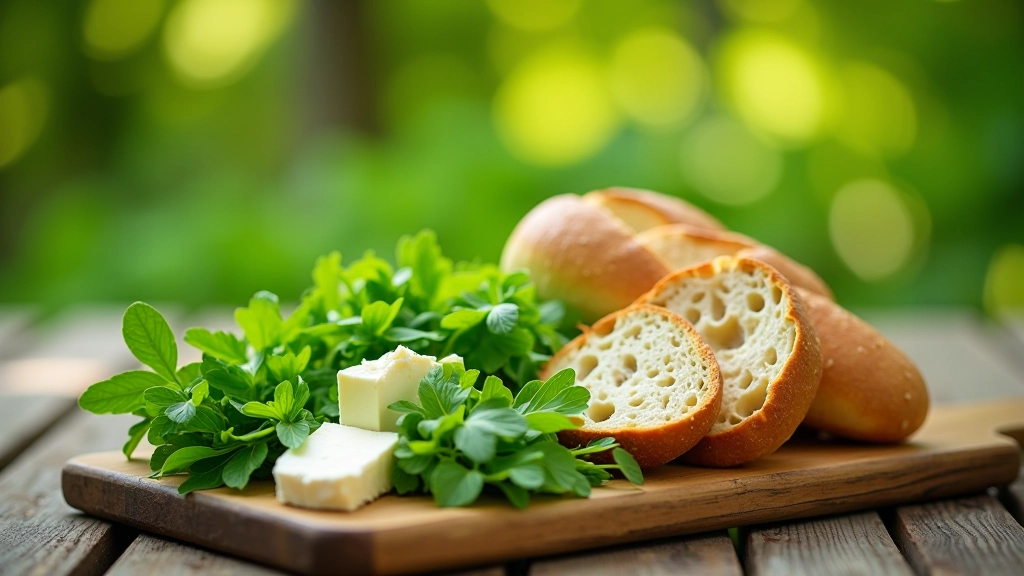
March through May is when everything’s just waking up. The air’s cool enough that food doesn’t spoil in 90 minutes. You’ve got tender greens, fresh herbs, and light cheeses that work perfectly outside.
What you want: Pairings that celebrate freshness without weighing you down. Spring onions with sharp cheddar. Peas with mint. Asparagus with lemon. The combinations don’t need to be complicated — the ingredients are doing the work.
Specific things that work: Smoked trout with horseradish cream on rye bread. Goat cheese spread on crackers with fresh dill. Hard-boiled eggs with mustard greens. None of this needs heating. Everything stays firm and fresh even if you’re sitting outside for two hours before eating.
The mistake people make: Bringing heavy salads that get soggy. Instead, pack the components separate and dress just before eating. Or better yet, bring cheese and bread and let people assemble their own. It stays better and tastes fresher.
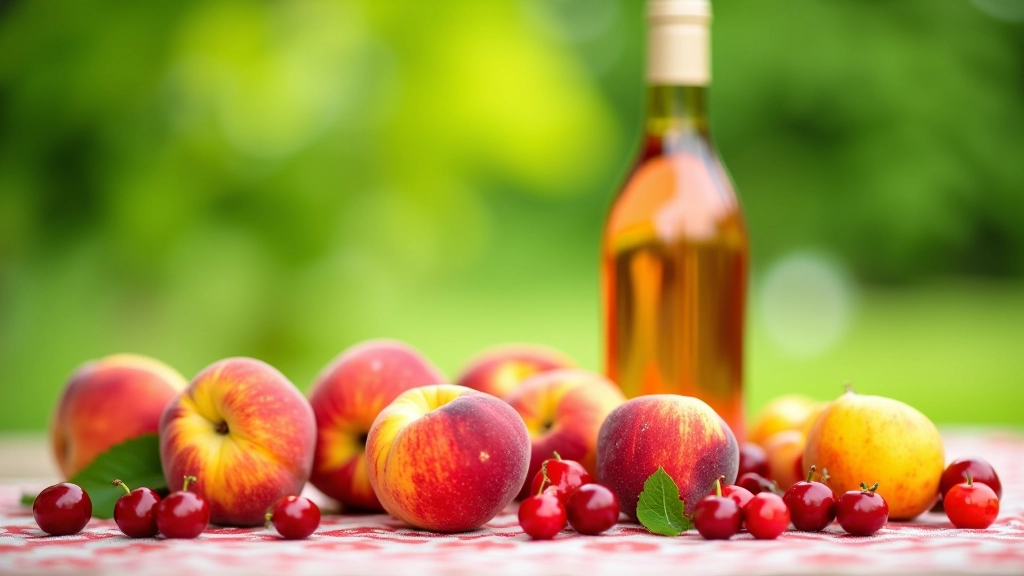
June through August changes everything. Heat is the enemy now. You need foods that hydrate, not foods that dry out. Watermelon, cucumber, tomatoes, stone fruits — these become your best friends.
Temperature management matters. Pack things in an actual cooler, not just a bag. Keep water moving. Bring items that taste good even if they’re slightly warm — because they probably will be. Ripe peaches still taste amazing at room temperature. Cured ham paired with melon works whether it’s cool or warm.
Specific pairings: Prosciutto with cantaloupe. Fresh mozzarella with heirloom tomatoes and basil. Chilled gazpacho in a thermos with crusty bread. Cherries with dark chocolate. Cold fried chicken with hot sauce. The idea is contrast — warm-cold, salty-sweet, creamy-crisp.
Pro tip: Bring frozen grapes instead of ice cubes. They keep things cold and don’t water down your wine as they melt. Freeze berries the night before. Pack salads in mason jars with dressing at the bottom — they’ll stay fresh for hours.
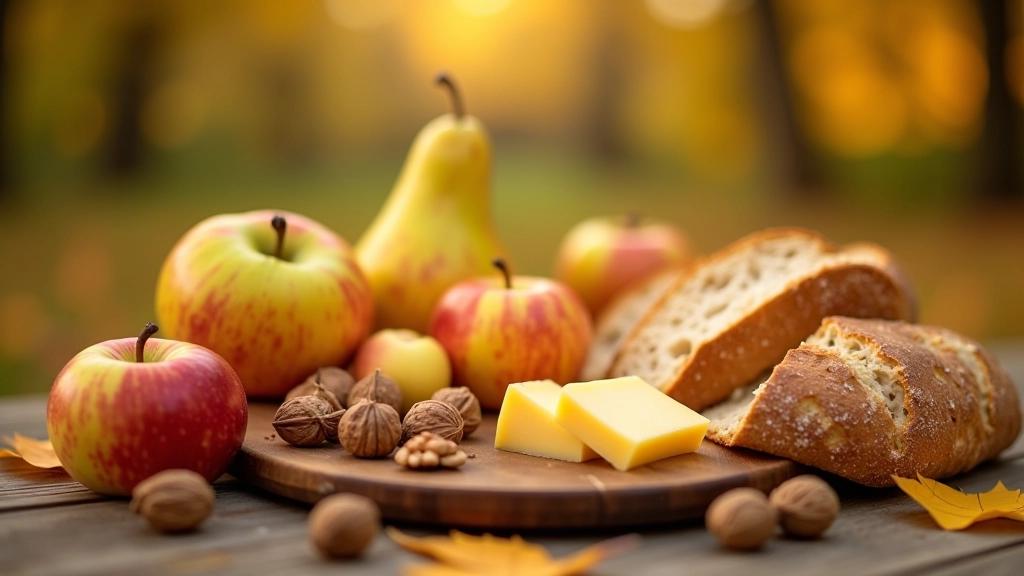
September through November is when food gets richer and more interesting. Apples, pears, grapes, nuts, mushrooms, root vegetables. The market shifts and so should your picnic menu.
Temperature’s dropping so food stays fresher longer. You can bring things that might be slightly warm and they’ll taste fine. Roasted vegetables with olive oil. Aged cheese that’s been out of the fridge for an hour. Crusty bread with good butter. Grilled vegetables. These are autumn moves.
Specific combinations: Apple slices with sharp cheddar and walnuts. Roasted beets with goat cheese and candied pecans. Pears with blue cheese. Mushroom spread on toasted bread. Dark chocolate with sea salt almonds. Everything’s got more depth.
Bring a thermos of hot cider or hot chocolate. Bring soup if you’re staying out for hours — it’ll still be warm enough to enjoy. Pack denser breads that hold up better. The whole vibe shifts from “refresh and cool” to “nourish and warm.”
The suggestions in this guide are based on common outdoor dining practices and general food storage principles. Food safety varies based on specific ingredients, temperatures, storage methods, and individual health factors. Always follow local food safety guidelines. When in doubt about whether food has been stored safely, err on the side of caution. If you have specific dietary restrictions or allergies, verify ingredients carefully before your outing.
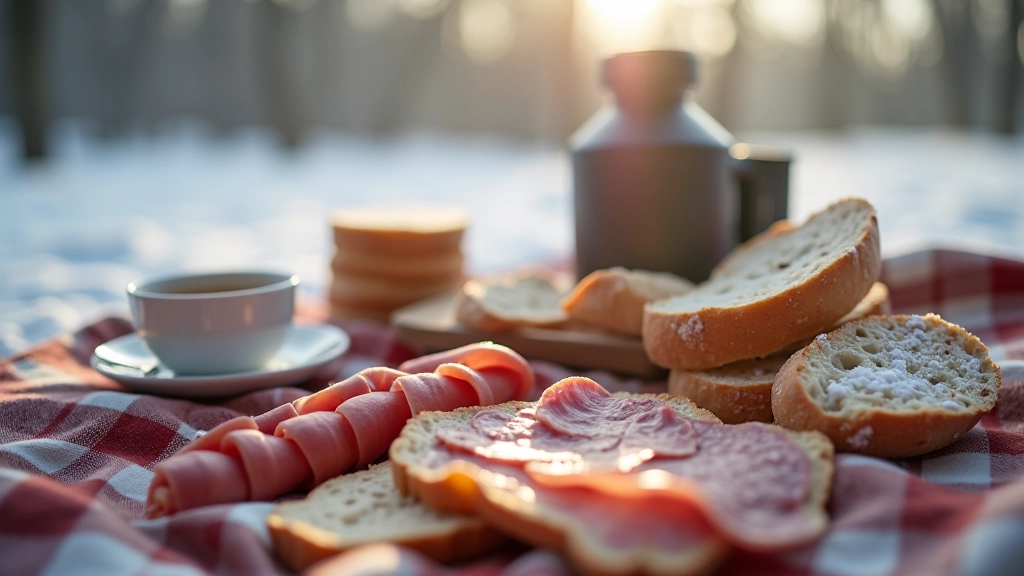
December through February means you’re eating outside by choice, not convenience. Cold’s the reality. Plan for it. Thermos food becomes essential. Warm bread, hot soup, hot drinks, items that deliver calories and heat.
This is where thermoses earn their value. Bring soup or stew in a good thermos and it’ll still be hot after two hours. Bring hot mulled wine. Bring coffee. Pack bread that stays warm — wrap it in foil and cloth. Include nuts, dried fruit, and cured meats that give sustained energy.
Specific pairings: Lentil soup with crusty bread and smoked sausage. Hot goulash with bread and sharp cheese. Roasted chestnut and mushroom bread. Cured ham with mustard. Dark chocolate and coffee. Everything’s built for warmth and substance.
The advantage nobody mentions: Winter picnicking feels special. Fewer people doing it. You get spaces to yourself. The food tastes more satisfying when it’s genuinely warm. You notice the quiet more. It’s worth bundling up for.
The core principle is simple: Let the season guide what you bring. Spring’s fresh ingredients, summer’s hydrating foods, autumn’s richness, winter’s warmth. Your picnic isn’t fighting the season — it’s working with it.
You’ll notice combinations that work better than others. Certain cheeses pair naturally with certain fruits. Cold drinks go with light foods. Hot food demands denser accompaniments. This isn’t rules — it’s just how flavors and seasons actually work together.
Start with what’s in the market right now. Build around that. You’ll develop a feel for what works at each time of year. And you’ll spend less time wondering what to bring and more time actually enjoying the meal outside.