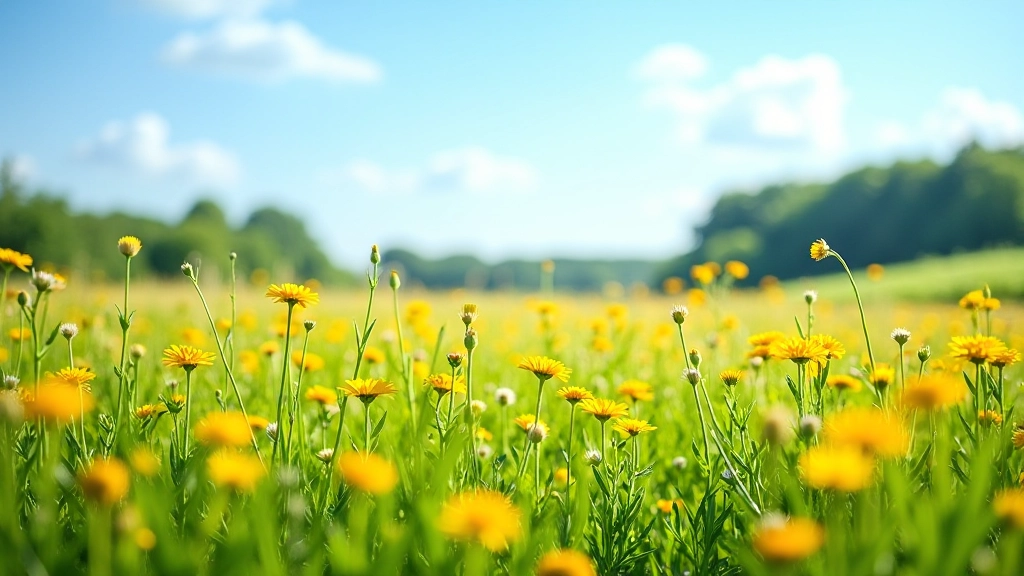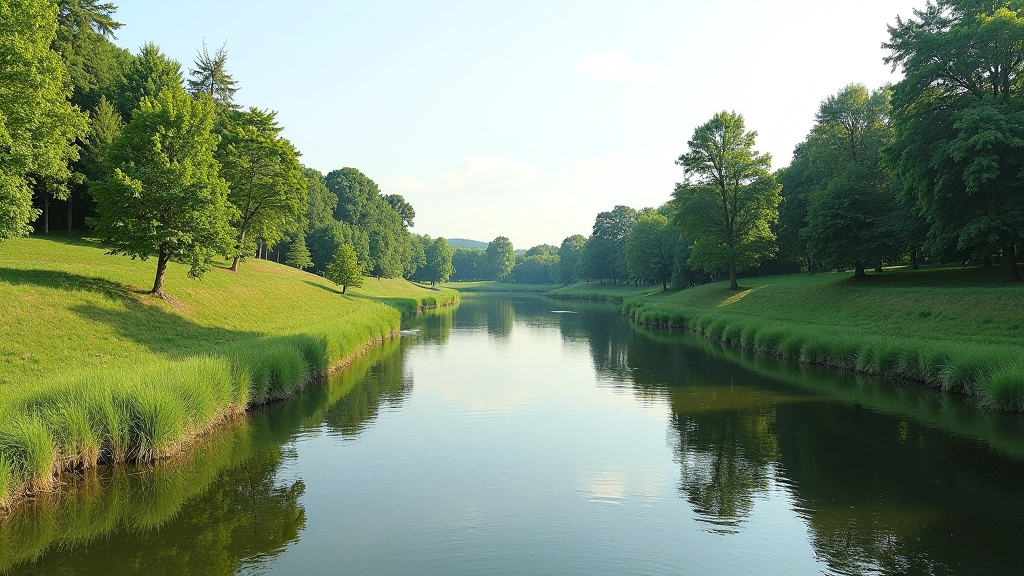
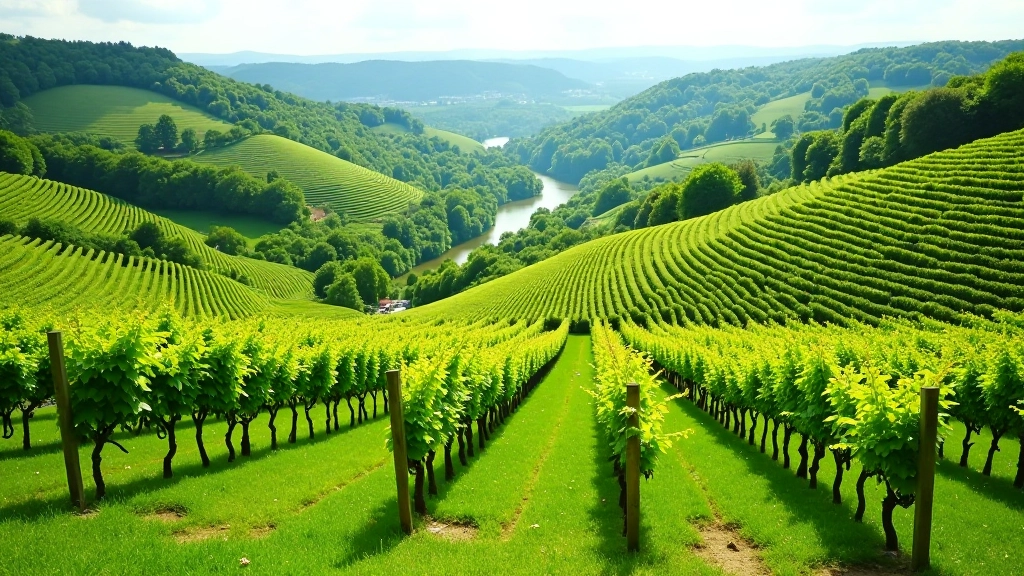
Vineyard picnicking isn’t like spreading a blanket in a meadow. It’s got its own set of rules, rhythms, and rewards. The terraces are beautiful — sometimes stunning — but they’re working landscapes where people actually grow grapes. You’ll need to understand how access works, when you’re genuinely welcome, and how the terrain actually shapes your meal.
Most Czech vineyard regions fall into three categories: established picnic terraces that expect visitors, smaller family vineyards that allow casual visits with permission, and protected production areas where you’re really not supposed to linger. Getting this right changes everything about your experience.
Understanding Vineyard Access and Etiquette
The Czech Republic has about 18,000 hectares of vineyards scattered across the country, but not all of them are open for picnicking. The major wine regions — Moravian Tokaj, Bohemian wine areas, and the smaller Znojmo region — each have different approaches to visitor access.
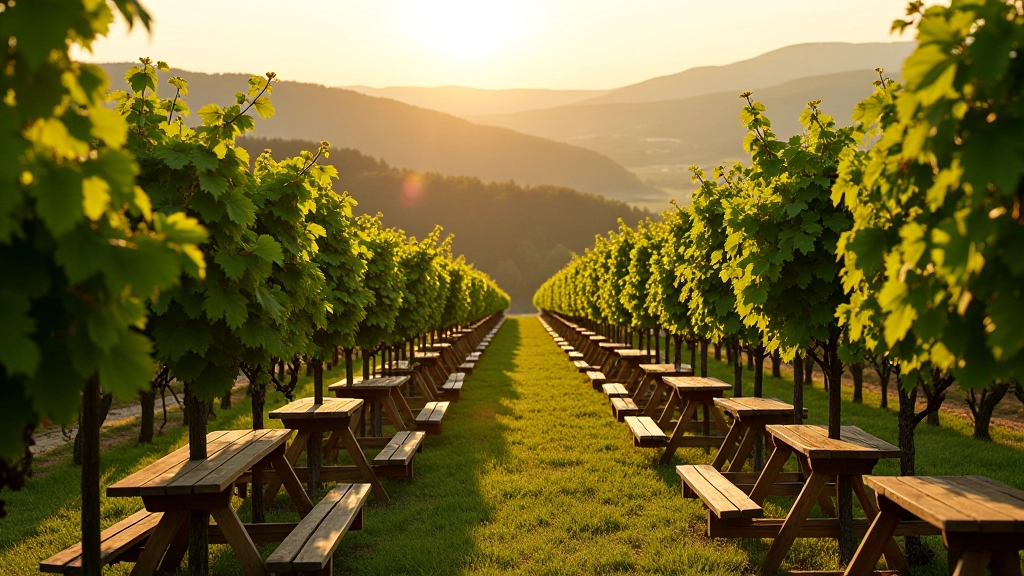
Most established vineyard restaurants and picnic areas are clearly marked. You’ll find them on local tourism maps, and they’ve specifically developed infrastructure for visitors. These are the safest bet. They’ve got designated seating areas, sometimes shade structures, and the winemakers know you’re coming.
Smaller vineyards — the family-run operations that make really interesting wines — often welcome visitors but require a phone call first. Not because they’re unfriendly, but because they’re actually harvesting, pruning, or doing maintenance work. You’re not blocking production if you ask ahead. A simple message saying “we’d like to bring a picnic to your terrace on Saturday afternoon” usually gets a positive response. It’s that straightforward.
Key tip: Never walk through active vineyard rows during harvest season (September-October). You’ll damage grapes and disturb the workers. Stick to designated paths or terrace areas.
What to Expect at Different Terrace Types
Established picnic terraces — places that actively market themselves for visitors — typically have amenities. Shade structures (pergolas, umbrellas, or natural canopy from mature grapevines), picnic tables, and sometimes trash facilities. You might find wine available for purchase on-site. The trade-off is they’re more crowded on nice weekends, and there’s sometimes a small fee or expectation you’ll buy wine.
Family vineyards that allow picnics usually offer just the view and maybe a few basic tables. There’s rarely shade unless you’re lucky enough to picnic under mature vines. The advantage? You’re genuinely isolated. You’ll see three other people all afternoon instead of thirty. And the wines you can taste are often exceptional because you’re literally at the source.
The terrain matters too. Sloped vineyards mean your table might not be level. Bring something to wedge under a leg if you’re eating on an uneven surface. Insects are more active around vineyards than open meadows — the vegetation attracts them. Bug spray that doesn’t smell overwhelming (or just accept a few gnats) makes the experience better.
Important note: This article provides educational information about vineyard picnicking in Czech regions. Always check local regulations, obtain permission from vineyard owners before visiting, and follow posted signs regarding access restrictions. Weather conditions, seasonal closures, and harvest periods may affect availability. Bring adequate water and sun protection, and never trespass on private property.
Timing Your Visit: Seasons and Harvest Realities
Spring (April-May) is when vineyards are most active with pruning and training work. You’ll see workers everywhere, but the landscape is lush and there are fewer tourists. It’s peaceful if you go on a weekday.
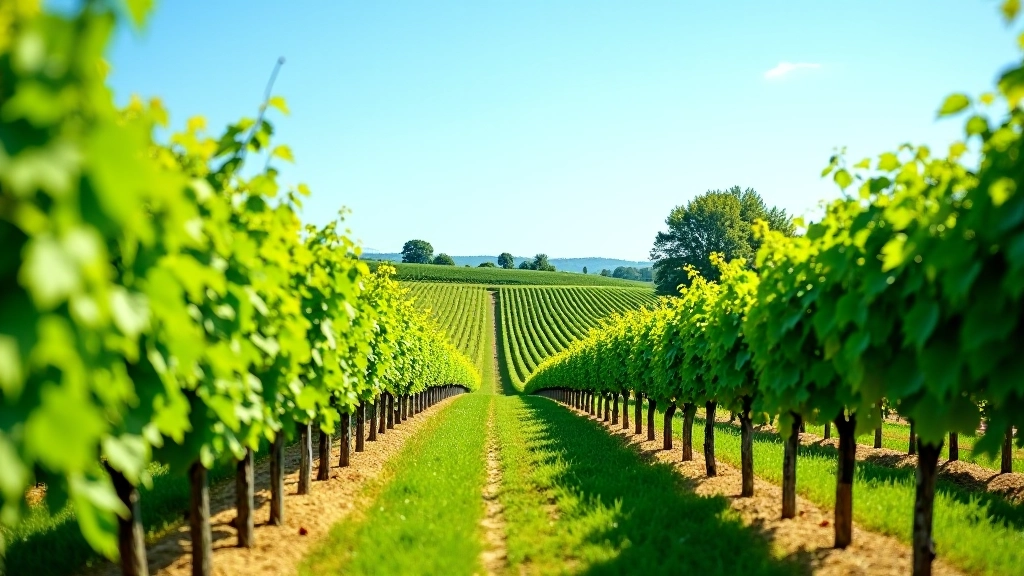
Summer (June-August) is peak season. Vineyards are green, the weather’s stable, and picnicking is straightforward. But expect company — these months draw the most visitors. Early morning or late afternoon visits (after 4 PM) are significantly quieter.
Autumn (September-October) is harvest time. Vineyards are actively working. Don’t show up without explicit permission. Many terraces close to visitors during this period, and rightfully so — workers need space and focus. But if you can arrange a visit with a winemaker, watching harvest happen while you eat is genuinely memorable.
Late autumn and winter (November-March) — some terraces stay open, but weather becomes unpredictable. Morning frost is common. If you’re going, dress warmly and confirm the vineyard’s actually open that day.
Food and Wine Pairing That Actually Works
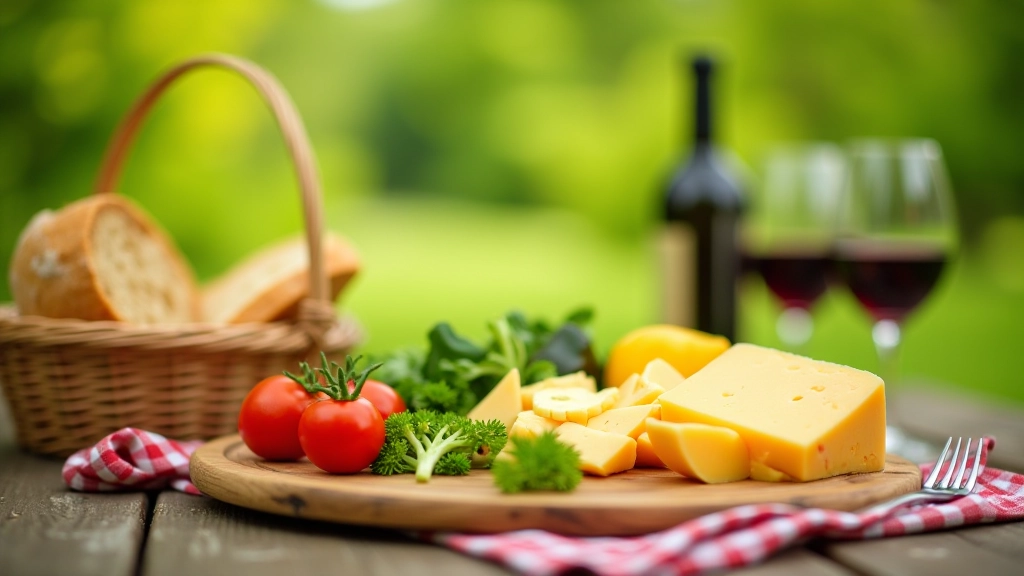
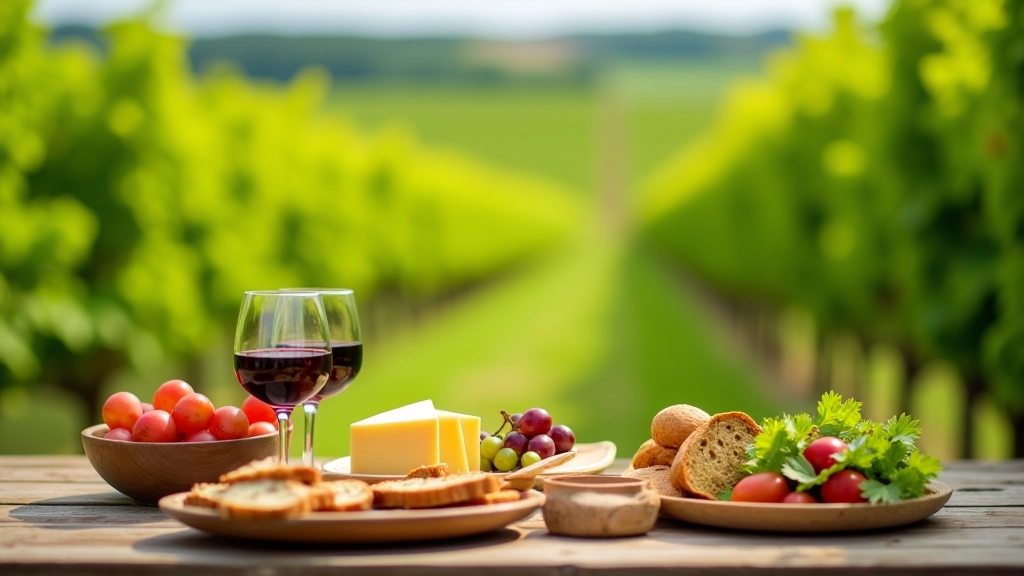
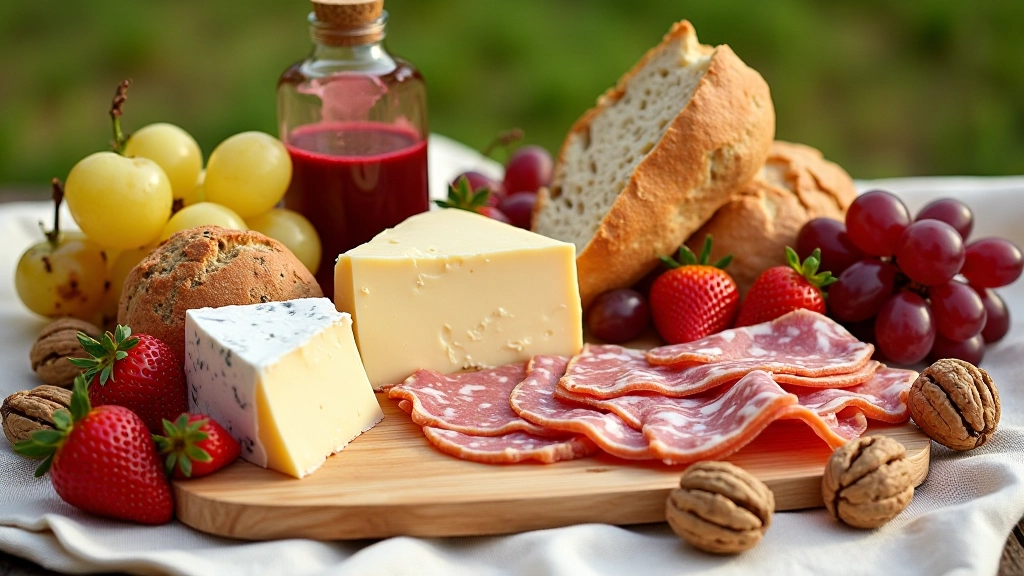
You’re not trying to recreate a formal dinner. You’re eating outdoors among grapevines, which changes what actually tastes good. Simple, high-quality ingredients work best. Fresh bread, good cheese, local cured meat, fresh fruit. Things that don’t require heating and won’t spoil in afternoon heat.
The wines you’re pairing with should actually be from the vineyard you’re visiting, if possible. They’re designed for the local food and the specific terroir. A Moravian white wine — often a Riesling, Müller-Thurgau, or Grüner Veltliner blend — pairs beautifully with fresh cheese and salads. The acidity cuts through richness and the minerality complements the landscape.
For reds, the local Pinot Noir or Gamay works with cured meats. But honestly, rosé is underrated for outdoor dining. It’s refreshing, pairs with almost everything, and won’t stain as dramatically if spilled on light clothes. Many Czech vineyards make excellent rosé that costs less than the red varieties but delivers genuine flavor.
Bring good glasses if you can. Picnicking from plastic cups works, but if you’re specifically going for the wine experience, real glasses make a difference. They’re not as fragile as you think — wrap them in a kitchen towel in your bag.
Making It Actually Happen
Vineyard picnicking in the Czech Republic isn’t complicated, but it requires basic planning. Research which terraces welcome visitors. Make a phone call or send a message if you’re going to a smaller vineyard. Pick your season based on what you want to see and experience. Bring simple, good food and wine from the vineyard itself.
The experience is genuinely different from picnicking in a meadow or by a river. There’s something about eating surrounded by the plants that produce what you’re drinking. You’re in a working landscape where generations of winemakers have refined their craft. Respecting that — through permission, timing, and understanding the rhythms — is what makes it memorable rather than just another outdoor meal.