Vineyard Terraces and Wine Region Picnicking
How vineyard areas work for dining. What’s actually available at different terrace locations and which regions offer the best combination of views and accessibility.
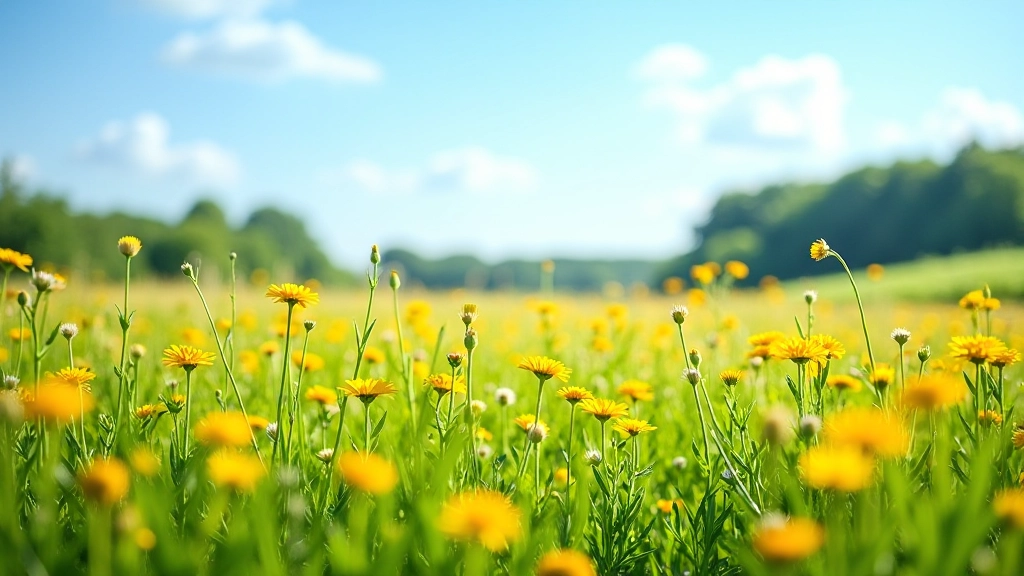
Not all meadows are created equal. You’ll find meadows that’re packed with tourists on weekends, others that’re quiet but tough to access, and some that’ve got genuinely stunning views. We’ve spent time in all three categories, and there’s definitely a pattern to what works.
The thing is, meadows change throughout the year. Spring meadows burst with wildflowers but the grass is still wet. Summer’s warm and dry but crowded. Autumn brings that golden light and fewer people. Winter? Most meadows are pretty empty but you’re dealing with cold and shorter daylight.
Central Bohemia has some of the most accessible meadows in the country. The Českosaské Švýcarsko area (Bohemian Switzerland) isn’t technically a meadow, but the rolling grasslands around it are spectacular. You’re looking at 200-300 meters elevation with proper views toward the Elbe River.
The meadows near Mělník work differently. They’re lower elevation, closer to Prague, and honestly they’re better for casual picnics than serious scenic exploration. But the advantage? You’re not fighting crowds. Weekday mornings in late April or September, you’ll practically have the place to yourself.
Prachovské skály near Turnov sits at the edge of meadowland. The rocks dominate the landscape, but the meadows alongside them are genuinely beautiful. Access is straightforward — parking’s clear, paths are maintained. Don’t expect pristine wilderness though. This spot gets attention.
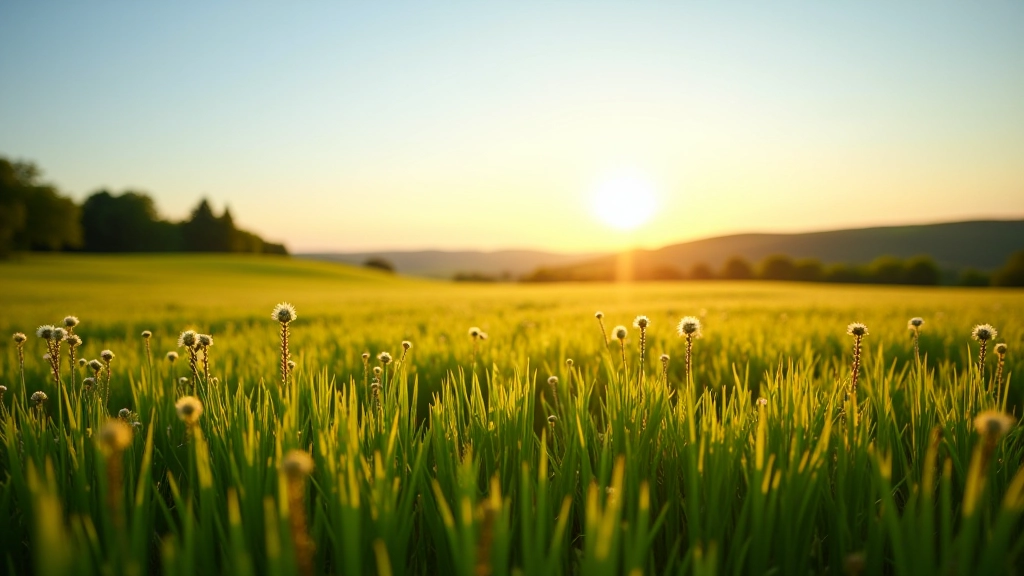
If you’re visiting meadows for the wildflower display, mid-May through early June is your window. Earlier than that and you’ll see mostly grass. Later and you’re dealing with mowed fields. Also worth knowing: meadows on south-facing slopes warm up faster and flower earlier than north-facing ones.
Moravia’s meadows feel different. The terrain’s gentler, less dramatic than Bohemia. But that’s actually an advantage if you’re planning a longer day. The rolling grasslands near Olomouc and Kroměříž work for serious walking. You’re not climbing steep grades.
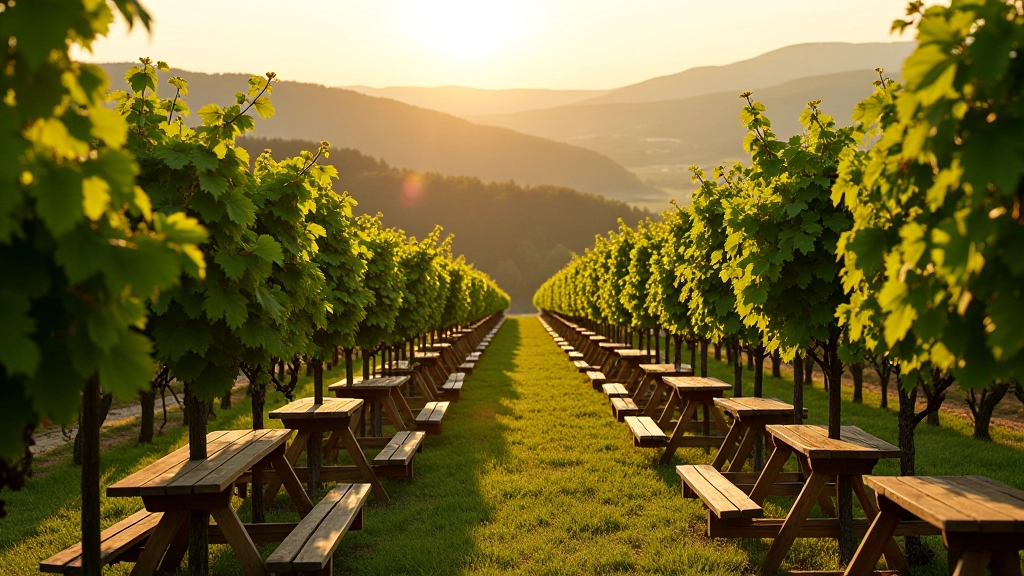
Palava near Mikulov combines vineyard terraces with meadowland. The view toward the Austrian border is genuinely impressive. What we like about this area: it’s not overcrowded like Prague-adjacent spots. You’ll encounter other visitors, sure, but not the weekend crush.
Summer conditions here are solid — warm but not scorching most days. The grass stays green longer because of better rainfall distribution. Bring water though. These meadows can feel exposed if the sun’s directly overhead.
Beyond just the views, these factors determine whether your meadow picnic works or doesn’t.
Higher elevation meadows catch wind. Not just breezy — properly windy. Tablecloths blow off, napkins scatter everywhere. Lower meadows are sheltered better. Pick your elevation based on how much wind you can handle.
Most meadows don’t have water sources. You’re carrying everything in. Meadows near rivers or streams? Those’re popular for good reason. Check your route beforehand. Some meadows have small streams that’re safe, others don’t.
Some meadows have scattered trees offering shade. Most don’t. Afternoon sun on an exposed meadow gets intense. Either bring an umbrella or parasol, or plan to be there in morning hours. Late afternoon visits work when the sun angle drops.
Summer meadows have mosquitoes and horseflies. This isn’t a minor thing. Morning visits minimize insect trouble. Evening’s worse. Damp areas near water attract more insects. Dry upland meadows have fewer problems than lowland ones.
Some meadows you park and walk 5 minutes. Others require 30+ minutes of hiking. That changes everything about your day. Check trail difficulty beforehand. “Easy meadow” means easy access, not just pleasant views.
Popular meadows near cities are packed weekends. Weekday mornings are totally different. September and October bring fewer crowds than June. Plan accordingly if solitude matters to you.
Most people skip Silesia entirely when thinking about Czech picnic spots. That’s actually perfect if you prefer quiet places. The meadows around Beskydy Mountains are genuinely beautiful and you won’t fight crowds like you would near Prague.
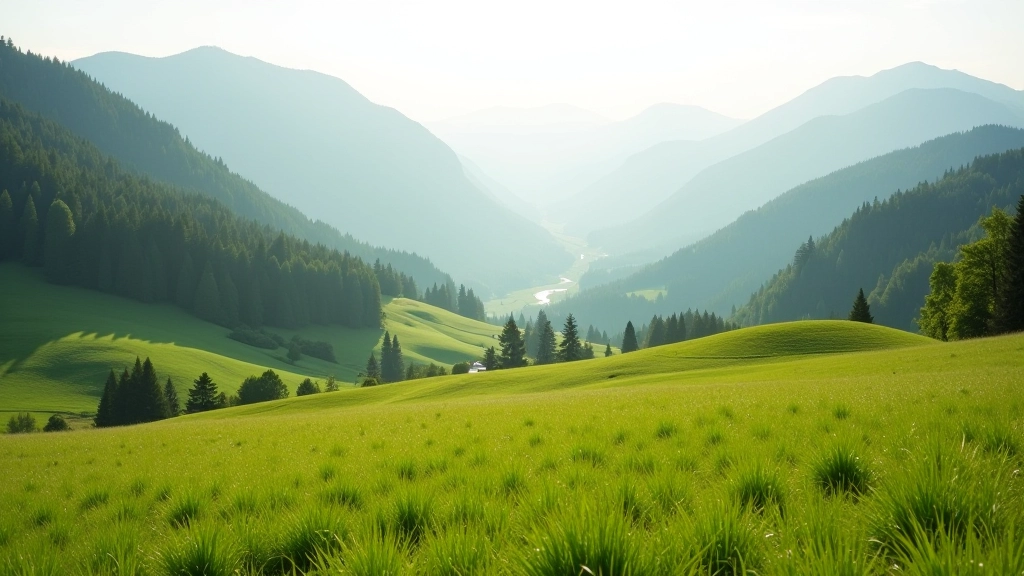
Elevation’s moderate here — 600-800 meters usually. That means decent views without extreme exposure. The landscape transitions between grassland and forest. You get openness without that stark, barren feeling some high meadows have.
Summer weather in Silesia can be temperamental. Higher elevation means cooler temps and more rain possibility. But if you hit it right — mid-July through early September with stable weather — it’s genuinely excellent. Fewer insects than lowland meadows. Better air quality. Longer views.
This article is informational, based on real experience visiting these meadows across different seasons. Conditions vary significantly depending on weather, season, and recent maintenance. Always check current access status before visiting — some meadows may be closed for conservation, farming activities, or safety reasons. Weather conditions, insect activity, and trail conditions change frequently. Use this as a guide, not a guarantee of what you’ll find. When visiting any meadow, respect local conservation rules and leave no trace.
The meadows that work best aren’t always the famous ones. Sometimes it’s the quieter Moravian rolling grasslands. Sometimes it’s a lesser-known spot in Silesia that locals know about. The key is understanding what you actually want — are you chasing dramatic views? Avoiding crowds? Needing shade? Once you know that, picking a meadow gets straightforward.
We’ve found that the best visits happen when people spend time thinking about the practical stuff before going. What’s the elevation? How exposed is it? When’s the quietest season? What’s the actual access like? Those questions matter more than raw scenic beauty. A meadow that’s 80% as pretty but 100% practical beats a stunning meadow that’s exhausting to reach or miserable in current conditions.
Start with a meadow that matches your experience level and what you actually enjoy. Spring wildflower season is stunning but demanding. Autumn’s easier, quieter, still beautiful. Summer requires planning around heat and crowds. Winter’s possible but you’re dealing with short daylight. Pick your season based on what appeals to you, then find a meadow that fits that timeframe. That’s genuinely how this works.