Scenic Meadows Worth Visiting Across Czech Regions
Discover which meadow locations offer the best views and clearest access. Covers what makes each region unique.
Read Article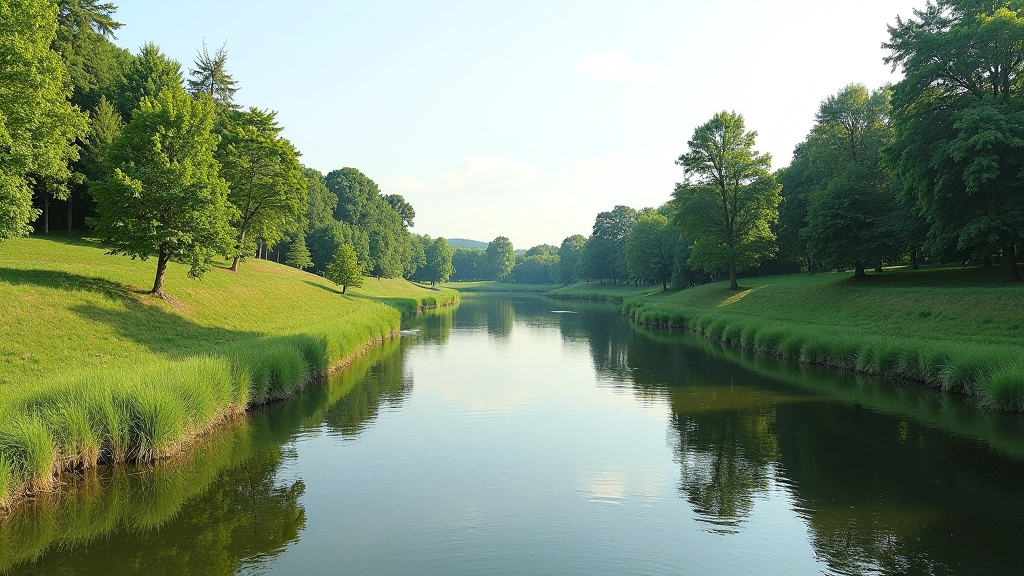
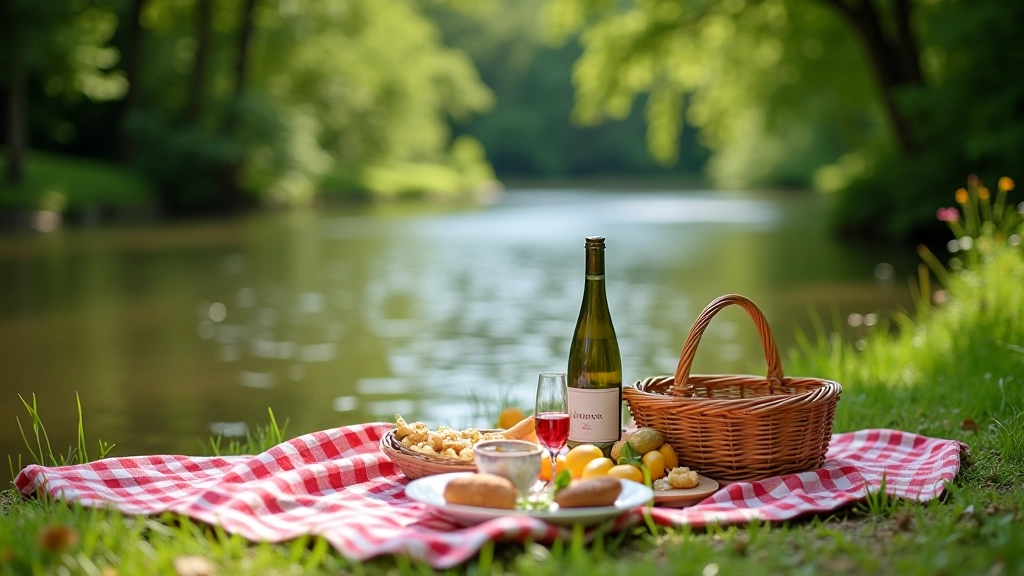
Riverside spots have their own rhythm. The water brings life and beauty, but it also brings challenges that meadow picnics don’t face. You’re dealing with moisture, insects that love water, food that spoils faster near humidity, and changing conditions based on water flow.
We’ve spent years learning what actually works by the water. This guide covers the real techniques — not the assumptions — for riverside dining that stays safe, comfortable, and genuinely enjoyable.
Water changes everything about site selection. You can’t just pick a flat spot and unpack. First, you’re looking at the water level itself — is it low season or high? Rivers swell unpredictably, especially after rain upstream. Check water conditions the morning of your picnic, not just the day before.
Your setup needs distance from the edge. We recommend at least 2-3 meters back, even on calm days. The ground near water stays softer and less stable. Plus, that buffer gives you space if someone — especially kids — gets too close to the water.
Water attracts insects. That’s not negotiable. Mosquitoes, midges, and flies are drawn to moisture and the insects that live in water. But you’re not stuck dealing with them. Real solutions exist, and they don’t involve dousing yourself in strong chemicals.
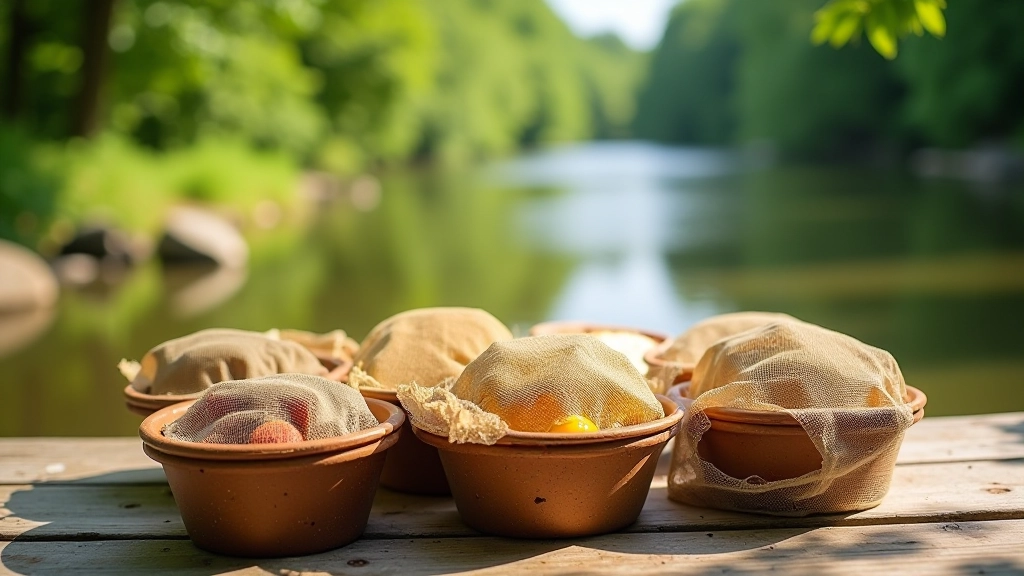
The most effective approach? Mesh covers. You can buy food tents for 15-30 that keep everything protected. Or bring lightweight mosquito netting and drape it over your setup area. It sounds basic, but it’s genuinely effective. Pair that with sealed containers for anything that smells strongly — cheese, cured meats, anything with garlic.
For your group, consider a small portable fan. Insects struggle flying against air movement. A battery-powered fan running during the meal cuts insect harassment by a solid 60-70%. It’s one of those tricks that sounds silly until you try it.
“We weren’t convinced about the mesh cover at first. Then we used it once and now we won’t go without. The difference is huge — no more watching food while eating.”
— Petra, regular riverside diner
This guide provides educational information about riverside picnic setup and waterside dining. Water safety depends on local conditions, individual circumstances, and responsible decision-making. Always assess water conditions yourself, follow local guidelines, supervise children near water, and consult local authorities if you’re unfamiliar with a location. Weather and water conditions change rapidly — check conditions before and during your visit.
Humidity and warmth are a dangerous pair for food. Riverside air is humid — that’s water doing its thing. Combined with spring and summer warmth, your food spoils faster than it would in a meadow. You can’t just assume the cooler you brought will keep things safe for 4 hours.
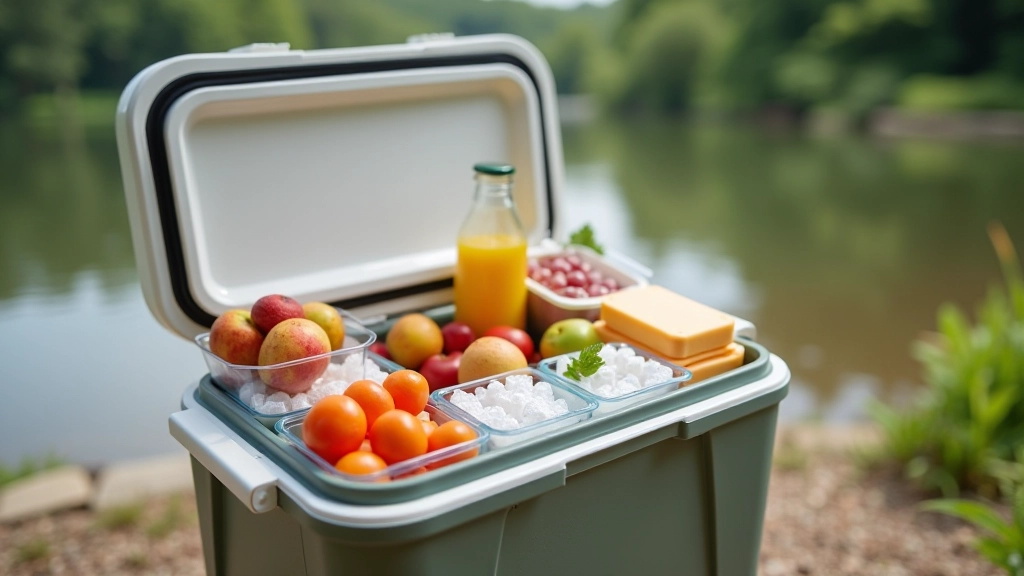
Start with a proper cooler, not a soft bag. Rigid coolers hold temperature far better. Pre-chill it the night before. Use ice packs, not loose ice — loose ice melts and creates water that everything soaks into. Bring frozen water bottles that double as drinks and cooling elements.
Pack food strategically. Dense, harder items on the bottom. Dairy and meats in the coldest zone — the bottom. Prepared foods and fresh produce on top. Keep the cooler in shade, and drape a wet cloth over it. Evaporative cooling actually works and can drop internal temperature by 3-5 degrees.
One more thing: bring food in stages if you’re there more than 3 hours. Don’t unpack everything at once. Keep sealed until you’re ready to eat.
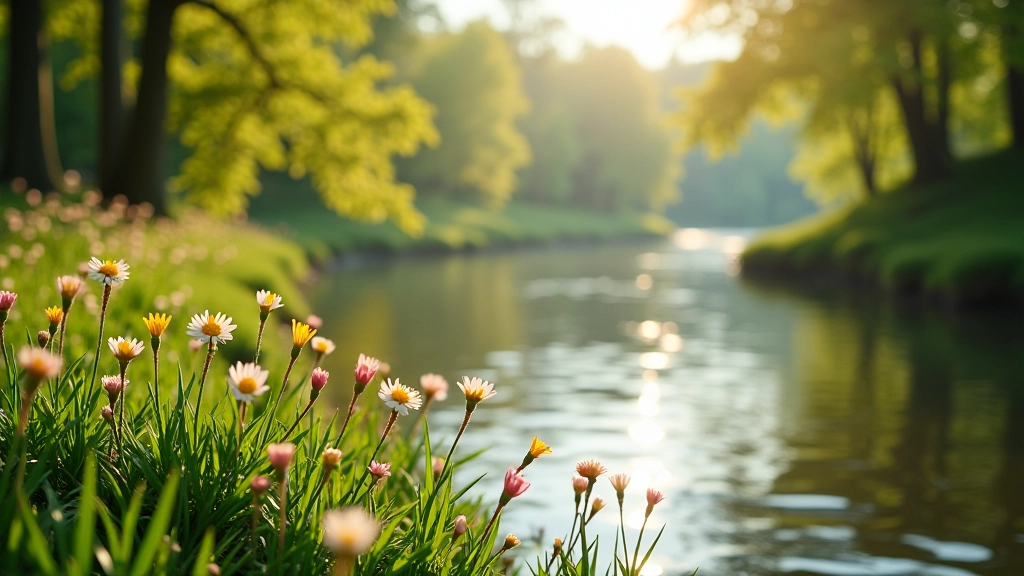
Rivers don’t stay the same all year. Spring brings higher water from snowmelt and rain — you’re dealing with faster current and sometimes unpredictable level changes. Summer is peak picnic season but also peak insect season and warmth that requires careful food management. Autumn brings lower water and better temperature conditions, but changing light means you need to leave earlier than summer visits. Winter? That’s for the committed, and it’s a whole different challenge.
Spring through early autumn is the realistic window for comfortable riverside picnics. Within that window, each season demands adjustments. You’re not doing the same picnic in May that you’re doing in August.
The water itself changes how you plan. Spring water is cold — that’s actually an advantage for keeping food cool without working your cooler as hard. Summer water warms up, which means insects and bacteria love it more. Plan accordingly. Bring extra cooling capacity in summer. Bring warmer clothing layers in spring and autumn.
You’ve got the principles. Here’s what you’re actually bringing: